What is a Home Safety Assessment (and Why It’s Not Just for Seniors)
Peace of mind starts with knowing your home has your back. Discover 5 simple ways to prevent accidents, support independence and how I design with care.

Peace of mind starts with knowing your home has your back. Discover 5 simple ways to prevent accidents, support independence and how I design with care.
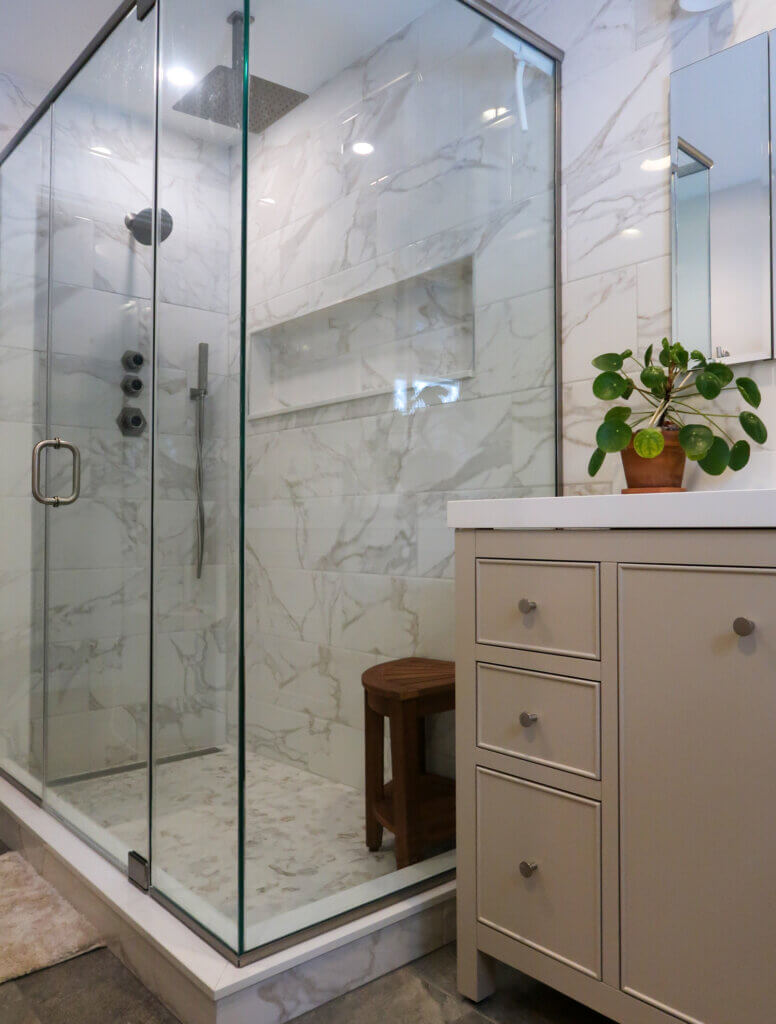
Have you ever worried about a parent falling in the bathroom? Have you tripped on a rug, slipped on a step or had to come up with a less-than-ideal way to grab something off a high shelf? Maybe you’ve helped a loved one navigate the house after surgery or an injury.
The reality is, home safety isn’t just about aging – it’s about creating spaces that are safer, more functional and more comfortable for everyone. My background as an occupational therapist has made me deeply passionate about helping people live well in their homes – for as long as possible. That perspective also brings versatility into my interior design work. By looking ahead and planning for the future, I can help you anticipate needs before they become challenges.
A Home Safety Assessment is a guided walkthrough of your home where I look closely at risks, barriers and opportunities for improvement. As a result of my experience in OT, I don’t just study the house – I study the way you live in it. The best solutions come from understanding your daily routines, how your needs shift throughout the year, and what makes you feel most at ease at home.
While the walk-through might appear straightforward, I am quietly taking inventory of dozens of details that guide my recommendations. And because I pair this with a designer’s eye, you can be confident that safety and beauty will work hand in hand. Much to my delight, today’s market is growing with clever, stylish products and technologies that add to a home’s appeal instead of taking away from it. You can truly have both a beautiful and functional home.
Many people naturally think first of their aging parents or grandparents when it comes to home safety – and that’s important. But the truth is, almost everyone can benefit. There is a lot of value in future-proofing your forever home early in the design process, before the build has even began. More typically, you are living well in your home until entering a new stage in life. Any family who has prepared for parenthood can speak on how much safeguarding became necessary. Or maybe an injury, surgery or chronic condition has forced unexpected changes to how you live. Too often, concerns about a pair of aging parents can compound very quickly when suddenly the one in better health suffers a fall with injury. When was the last time you noticed a tripping hazard in your home and thought, ‘I’ll get to that later’? Sometimes all it takes is one slip on the stairs to remind us how quickly life can change. While some scenarios may have more simple or short-term solutions than others, the truth is, almost everyone can benefit from a safer, more functional home.
During an assessment, I begin noting things the moment I arrive – from walkway and flooring materials to step heights, thresholds, layouts, and lighting. I also listen carefully to you and your family: your lifestyle, your routines, what works, and what doesn’t. Together, we’ll walk through every space – entryways, bedrooms, bathrooms, kitchen, dining areas, living rooms, and yes, even the garage. This is the time to point out awkward layouts or frustrations you’ve learned to ‘live with.’ From there, I create a personalized report that outlines both quick fixes and longer-term improvements – always balancing aesthetics with function.
If you only take away one thing from this post, start here. These 5 small, low-cost changes can immediately improve safety and functionality in your home:
I believe that home happens on purpose. Just as design begins with thoughtful choices in color, furniture, and meaningful objects, a safe home begins with awareness, preparation and smart improvements.
My two passions – occupational therapy and interior design – come together in this work. As an OT, I’ve stood beside patients re-entering their homes for the first time after a medical event, only to discover the space they’ve loved for decades is suddenly full of obstacles. I’ve had tough conversations with families about necessary changes, and I’ve witnessed how the right modifications can mean the difference between staying home or moving into a setting with more oversight and care. Even small adjustments can make a huge difference in comfort, safety, and peace of mind. As a designer, I find joy in creating spaces that feel both beautiful and truly livable. Becoming a Certified Aging in Place Specialist allowed me to merge these worlds and offer something uniquely supportive.
As Benjamin Franklin wisely said, “An ounce of prevention is worth a pound of cure.” Small, proactive steps are always easier – and more empowering – than waiting until a crisis forces your hand. Whatever stage of life you’re in, if you’d like a professional perspective on living well at home – or want to support a loved one, I’d be honored to help. Reach out to schedule your Home Safety Assessment today.
